
Frequently Asked Questions
Practical answers about healthy cooking for busy professionals
Quick meal preparation is all about strategic planning and efficient techniques. Start by investing in quality tools like a sharp knife, food processor, and reliable cookware that heat evenly. Pre-wash and pre-cut vegetables on weekends, store them in airtight containers, and use ingredients that cook quickly such as lean proteins, whole grains, and frozen vegetables. Focus on one-pan meals or sheet-pan dinners where everything cooks together. Choose cooking methods like stir-frying, steaming, or grilling that naturally reduce cooking time. Simple seasoning with olive oil, lemon, herbs, and spices can create restaurant-quality flavors without complex techniques or long ingredient lists.
The most convenient and nutritious proteins for professionals include Greek yogurt, eggs, canned fish like tuna and salmon, rotisserie chicken, cottage cheese, and legumes such as chickpeas and lentils. These options require minimal cooking time and can be incorporated into various dishes. Eggs can be prepared in 5 minutes, canned fish needs no cooking at all, and rotisserie chicken eliminates cooking entirely. Plant-based options like tofu and tempeh are also quick-cooking and versatile. Consider batch-cooking proteins on weekends—grill several chicken breasts or boil a large batch of lentils to use throughout the week in salads, wraps, and grain bowls.
Effective meal planning involves identifying repeating ingredients across your weekly meals to minimize shopping and prep work. Choose a simple formula: select two proteins, three vegetables, two grains, and one or two flavor bases (like olive oil and lemon). Rotate these components throughout the week in different combinations. Plan around your schedule—prepare quick meals on busy days and slightly more involved dishes when you have time. Write a simple shopping list organized by store sections to save time at the market. Consider dedicating just 2-3 hours on Sunday to wash, chop, and portion vegetables and proteins. This "batch prep" approach means your weeknight cooking involves only assembly and basic cooking rather than extensive preparation.
The most essential tools for efficient healthy cooking include a sharp chef's knife, cutting board, large skillet or wok, sheet pan for roasting, blender for smoothies and sauces, and a reliable pot. A food processor dramatically speeds up vegetable chopping, while an Instant Pot or pressure cooker reduces cooking times for legumes and tough vegetables from hours to minutes. Measuring cups and spoons ensure consistent portions, and quality storage containers make meal prep and leftovers manageable. A microplane grater is useful for adding citrus zest and garlic flavor without extra prep. These core items handle 95% of quick meal preparation tasks. Avoid accumulating single-purpose gadgets—focus on versatile equipment that works for multiple cooking techniques.
Balanced eating on a busy schedule relies on a simple formula: include a protein source, colorful vegetables or fruit, whole grains, and healthy fats at each meal. This combination provides sustained energy and keeps you satisfied between meals. Prepare components rather than complete meals—cook a batch of quinoa, grill chicken breasts, roast mixed vegetables, and prepare a simple vinaigrette. Throughout the week, mix and match these components to create varied meals. Keep quick nutrient-dense options on hand: nuts, seeds, whole-grain bread, canned beans, frozen vegetables, and fresh fruit. Focus on variety and whole foods rather than processed options. Even simple meals of grilled fish, steamed broccoli, and brown rice provide complete nutrition in under 20 minutes of active cooking time.
The best quick breakfasts combine protein, fiber, and healthy fats to prevent mid-morning energy crashes. Greek yogurt parfaits topped with granola, berries, and nuts take five minutes to assemble and provide sustained energy. Scrambled or boiled eggs with whole-grain toast and avocado are ready in ten minutes. Overnight oats prepared the evening before require no morning cooking—simply mix rolled oats, milk, protein powder, and fruit in a jar and refrigerate overnight. Smoothies made with protein powder, frozen fruit, spinach, and nut butter are quick and nutrient-dense. Whole-grain toast with almond butter and banana provides complete nutrition in minutes. The key is including both protein and fiber to stabilize blood sugar throughout the morning and maintain focus at work.
The most effective strategy is creating healthy convenience foods through advance preparation. When you have ready-to-eat components at home—cooked grains, pre-cut vegetables, grilled proteins—assembling quick meals becomes easier than purchasing processed alternatives. Keep your kitchen stocked with simple, minimally processed convenience options: canned beans, frozen vegetables, whole-grain bread, nut butters, and quality oils. Prepare extra portions at dinner to create lunch for the next day. Keep healthy snacks visible and accessible—nuts, fruit, whole-grain crackers—so they're your natural reach-for option when hungry. Plan ahead for challenging days by having frozen homemade meals available. The time invested in Sunday preparation pays dividends throughout the week by eliminating the excuse of being too busy to eat well. When your healthy options require equal or less time than convenience foods, choosing them becomes automatic.
Work lunches should be portable, satisfying, and require no reheating if your workplace lacks good kitchen facilities. Mason jar salads layer dressing at the bottom, then hearty vegetables, grains, proteins, and greens—everything stays fresh until you're ready to eat. Grain bowls with cooked grains, roasted vegetables, a protein source, and simple dressing are filling and nutritious. Whole-grain wraps filled with hummus, vegetables, and lean protein are quick to assemble and travel well. Leftover dinners in quality containers simply need to reach room temperature or be microwaved. Bento-style boxes combining nuts, fruit, cheese, whole-grain crackers, and cured salmon create complete meals. The ideal work lunch includes protein for satiety, complex carbohydrates for steady energy, vegetables for nutrients, and healthy fats for satisfaction. Spending 10 minutes on lunch preparation at home prevents the afternoon energy crash that often leads to unhealthy snacking.
Healthier comfort food versions use ingredient substitutions and different cooking methods while maintaining familiar flavors and satisfaction. Instead of deep-fried dishes, prepare crispy-edged foods by pan-frying or baking with a light oil coating. Replace heavy cream sauces with Greek yogurt-based versions that cook quickly and provide protein. Use ground turkey or lentils instead of all beef in tacos or bolognese sauce for leaner meals. Swap regular pasta for whole-grain or vegetable-based alternatives like zucchini noodles or chickpea pasta. Make homemade pizza using whole-grain pita or cauliflower crust topped with plenty of vegetables and modest cheese. Prepare satisfying one-bowl meals combining starches with proteins and vegetables—think Vietnamese banh mi bowls or Mediterranean grain plates. These versions cook in similar times to traditional recipes while providing more sustained energy and better nutrient density. The key is maintaining the familiar flavors and textures your body enjoys while adjusting the nutritional profile.
The fastest cooking methods that preserve nutrients include steaming, which cooks vegetables in minutes without nutrient loss; stir-frying, which uses high heat and quick cooking to retain vitamins and crisp texture; roasting, which creates flavorful meals with minimal hands-on time; and high-pressure cooking, which reduces cooking time for tough ingredients from hours to minutes. Grilling provides quick cooking with minimal added fat and excellent flavor development. Raw preparation techniques like salads and smoothies require no cooking at all while delivering maximum nutrient density. Avoid boiling vegetables for extended periods, as water-soluble vitamins leach away. Microwaving with minimal water actually preserves more nutrients than traditional boiling. Sheet-pan dinners combine proteins and vegetables roasting together, making cleanup minimal. The most time-efficient approach combines quick-cooking proteins like fish or thin-cut meat with fast-cooking vegetables and whole grains prepared while proteins cook, creating complete meals in 20-25 minutes.
Business travel presents challenges, but with strategy you can maintain healthy eating habits. Carry portable, shelf-stable healthy snacks like nuts, seeds, whole-grain crackers, and protein bars to avoid relying on airport and hotel convenience foods. Research restaurant menus in advance and plan meals that fit your nutritional goals. Choose restaurants offering grilled proteins, vegetable sides, and whole-grain options rather than those focused on heavy preparation methods. Request modifications when necessary—grilled instead of fried, dressings on the side, extra vegetables instead of fries. Keep a reusable water bottle to maintain hydration, which often prevents mistaken hunger signals. Plan one or two meals you prepare yourself if possible—even simple meals like salads assembled in a hotel room help maintain consistency. Prioritize getting adequate sleep and movement, as both influence food choices. Upon returning, resume your normal meal-prep routine immediately rather than waiting until you're fully adjusted. Most hotels have mini-refrigerators and microwaves—use these to store and prepare basic meals and snacks.
Healthy eating on a budget focuses on whole foods, seasonal produce, and minimal waste rather than expensive specialty products. Buy proteins on sale and freeze them for later use—frozen fish, chicken, and ground meat are often less expensive than fresh and equally nutritious. Choose less expensive protein sources like eggs, canned beans, and lentils that provide complete nutrition for minimal cost. Purchase seasonal and local vegetables whenever possible, as these are typically cheaper and more flavorful. Buy grains and legumes in bulk from stores with bulk bins, reducing packaging costs significantly. Plan meals around what's on sale rather than shopping from a preset list. Minimize food waste by using vegetable scraps for broth, repurposing leftovers creatively, and properly storing produce to extend shelf life. Cooking from scratch is dramatically less expensive than convenience foods—a home-cooked meal typically costs one-third the price of restaurant or processed alternatives. Comparing cost-per-serving reveals that simple whole foods often cost less than packaged healthy alternatives marketed to busy professionals. The initial investment in basic tools and pantry staples quickly pays for itself.
The information on this site is for educational purposes only and does not constitute medical advice. Always consult a qualified healthcare professional before making health decisions.
Stay Updated with Wellness Articles
Get practical tips for healthy cooking and living well delivered to your inbox regularly
We respect your privacy. Unsubscribe anytime.
Explore Our Content
Learn more about healthy cooking for your busy lifestyle
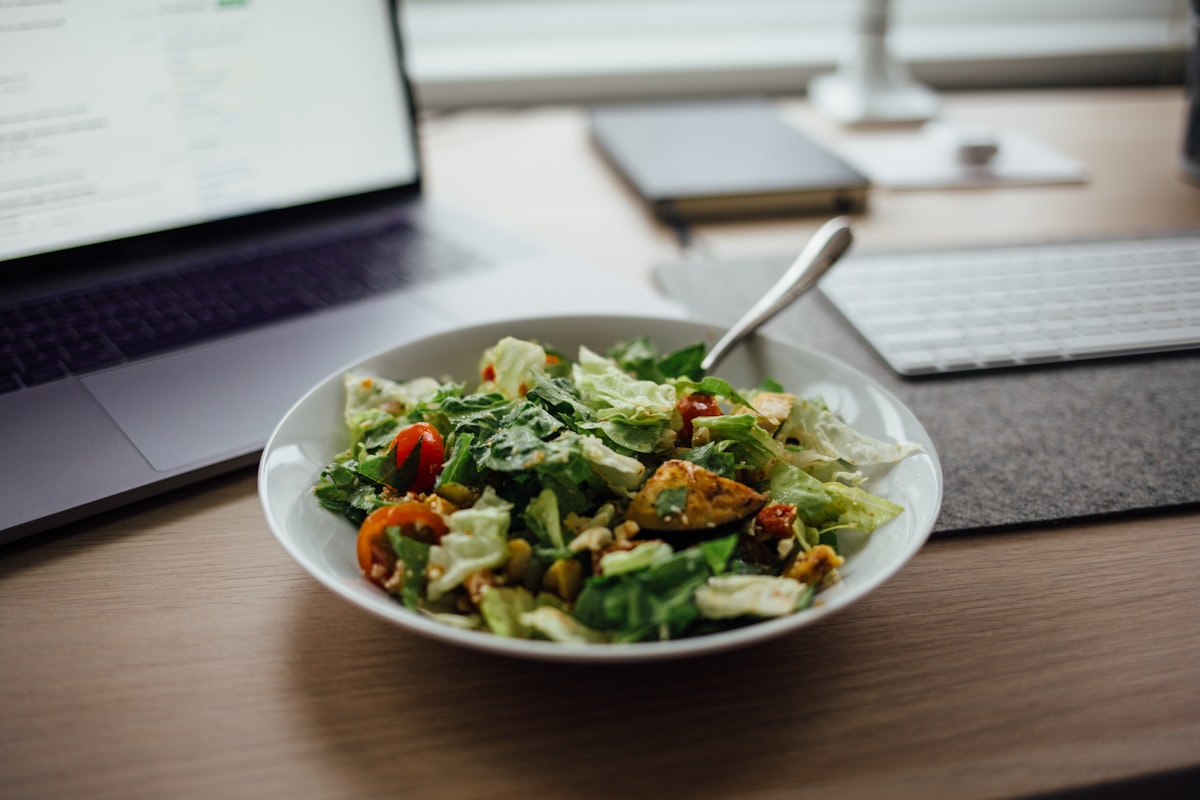
Smart Meal Planning for Professionals
Discover how to create weekly meal plans that fit your schedule and nutritional goals without spending hours in the kitchen.
Read more
Quick Recipes Under 30 Minutes
Browse our collection of fast, nutritious recipes that deliver restaurant-quality meals on busy weeknights without complicated techniques.Browse recipes
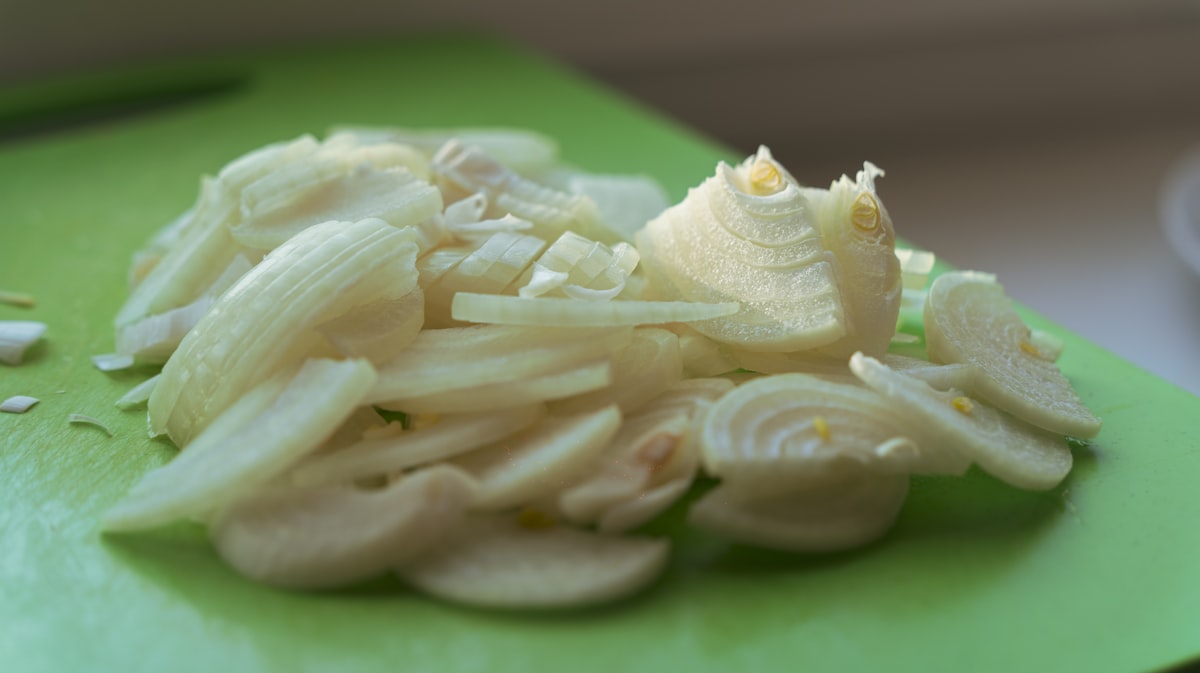
Essential Cooking Techniques Guide
Master the fundamental cooking methods that save time while preserving nutrients and creating flavorful, satisfying meals.
Learn moreReady to Master Healthy Cooking?
Explore our complete method and start transforming your approach to meals and wellness today.